Water filtration is the first line of defense against harmful contaminants, sediments, and microbes. Whether you’re filtering tap water at home or treating surface water in the field, the right filtration system can make a significant difference in health, taste, and reliability.
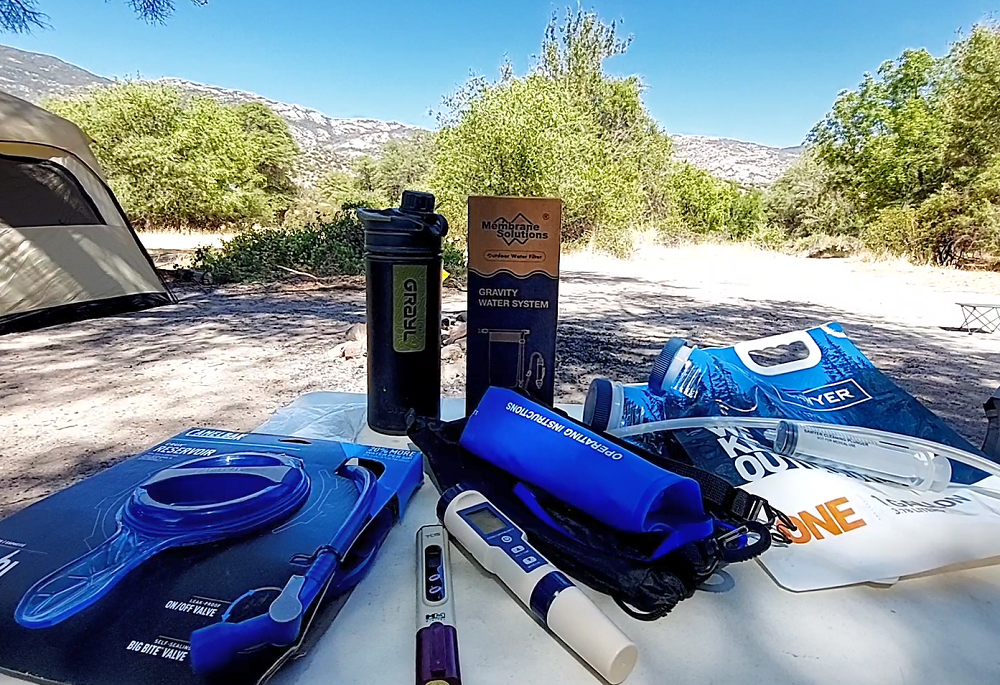
This guide covers the most common types of filtration systems and helps you choose the best setup for your specific needs.
Types of Filtration Systems
Gravity Filters
Require no electricity or pumping—rely on gravity to pull water through a filter. Ideal for basecamps, group use, or home emergency setups.
Pump Filters
Manual filters that draw water through a membrane or ceramic filter using a hand pump. Effective for fast treatment of water from lakes, rivers, and streams.
Squeeze Filters
Lightweight filters designed to be attached to soft bags or bottles. Squeeze the container to force water through the filter. Great for minimalist hiking and compact kits.
Inline Filters
Installed directly into a hydration tube or water line. Allow for hands-free drinking and continuous filtration on the move.
Countertop & Under-Sink Filters
Installed in kitchens for daily use. Target chlorine, lead, and other common tap water contaminants. Some models use multi-stage or reverse osmosis technology.
Straw Filters
Compact, use-as-needed filters designed for direct drinking from natural sources. Ultralight and typically carried as a backup option.
Modular Filtration Systems
Interchangeable components that allow for multiple filter types or integration into larger systems. Useful for off-grid or long-term preparedness setups.
Filtration Capabilities
- Sediment Removal: Sand, dirt, and particulate matter
- Bacteria: Such as E. coli and Salmonella
- Protozoa: Including Giardia and Cryptosporidium
- Chemicals: Chlorine, pesticides, and industrial runoff (select models)
- Heavy Metals: Lead, mercury, and arsenic (select models)
- Taste & Odor: Carbon-based filters improve flavor and smell
Considerations
- Flow Rate: How quickly the system can process water
- Filter Lifespan: Number of gallons before replacement is needed
- Portability: Weight and size matter for field use
- Maintenance: Some filters require backflushing or regular cleaning
- Intended Use: Daily use, emergency readiness, or wilderness applications
Choosing the right water filtration system depends on where you’ll use it, what you’re trying to remove, and how much water you need to process. This guide helps you narrow it down so you can build a water setup that fits your environment and risk level.